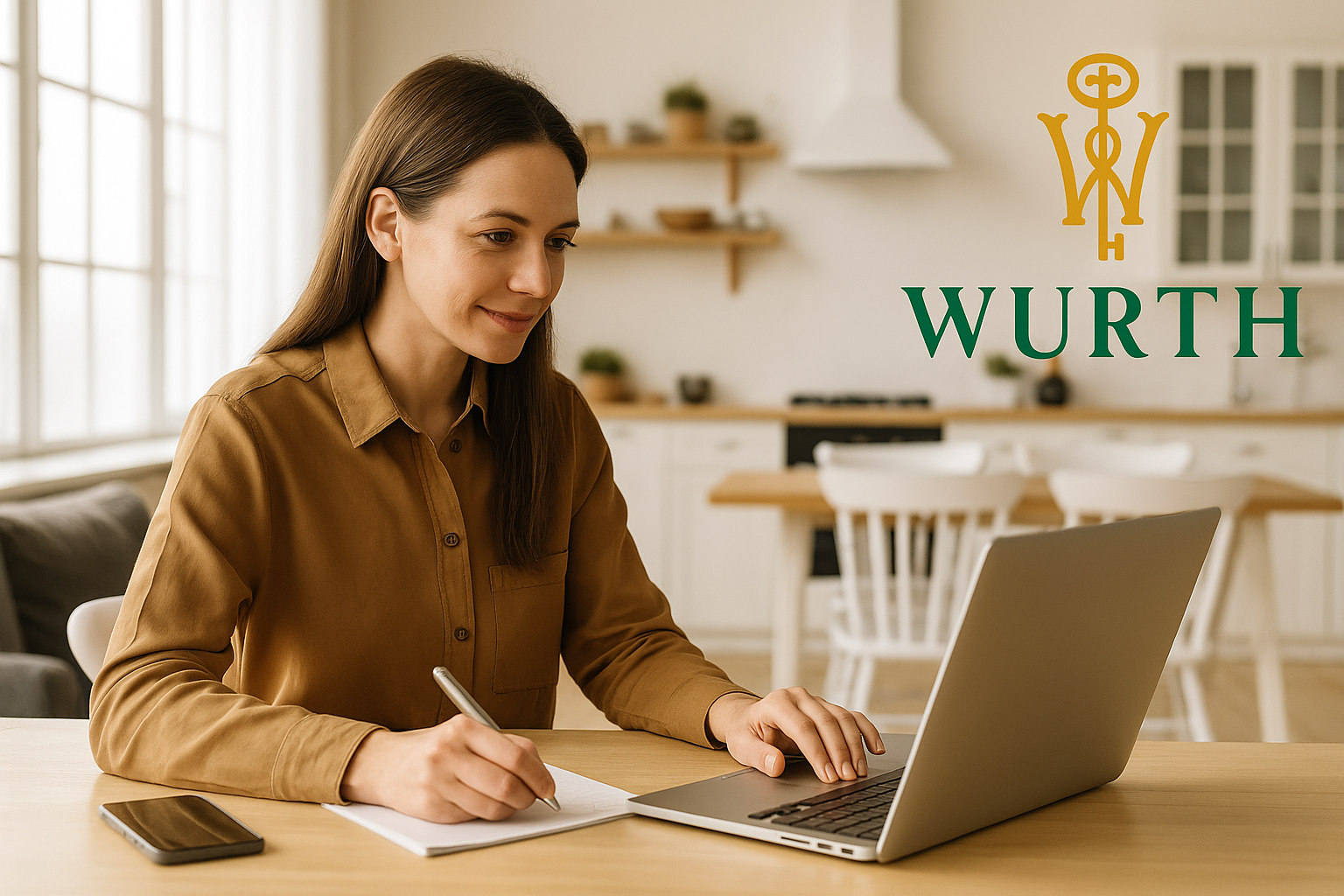
Something shifted in the Gulf South the moment laptops replaced commutes. Maybe you felt it too. A neighborhood that used to buzz at 8 a.m. started feeling strangely quiet. Coffee shops doubled their outlets overnight. And suddenly the people touring rentals were asking about things like upload speed, sunlight angles, and whether the walls block Zoom-call noise.
Remote work changed the rental landscape everywhere, but in the Gulf South it hit a little differently. The region was already flexible, already a bit more spread out, already more affordable than coastal metros. When the work-from-home wave hit, it didn’t just create more renters. It created a new type of renter entirely. Someone who can choose where they live without their office choosing for them.
So if you’re wondering how WFH culture affects rental demand right now, the answer is: more than you think.
Let’s walk through it.
Remote Workers Want Space. Not Just Rooms.
A funny thing happens when work and home merge. People suddenly care about layout in a deeper way. Not just square footage. Flow. A quiet corner. A nook that doesn’t look like a closet on camera. The remote work impact on Gulf South rentals is strongest in this category. People want breathing room, even when they can’t define exactly what that means.
And it shows in the questions renters ask.
Where does my desk go.
Does this bedroom echo.
Can I put a shelf behind me so meetings look normal.
It sounds small, but it affects everything from renewal rates to how often tenants browse other listings at midnight just to see if something feels nicer.
This is the same type of early behavior that would later feed trends like tenant loyalty perks that keep renters longer. When people settle into a home that fits their lifestyle, they stay.
Sunlight, Acoustics, and Internet Speed Are the New Deal Breakers
WFH renters behave a lot like picky buyers. They notice things that used to be irrelevant. South-facing windows. Where the afternoon glare hits. Whether the A/C hum is loud enough to ruin a recorded meeting.
And then there’s internet capability. It matters far more now than luxury features ever did. Remote workers absolutely will walk away from a place that cannot support stable video calls.
It becomes part of a bigger pattern landlords often miss. This is where the maintenance backlog problem becomes even more visible. A home that hasn’t been updated or tuned up properly will reveal its flaws faster to someone who is in the space ten hours a day. Loose fixtures. Drafty windows. Outdated wiring. The kinds of things an onsite worker might ignore, a remote worker cannot.
WFH culture simply amplifies everything.
The Gulf South Is Becoming a Magnet for “Location-Movable” Renters
The Gulf South has always been a mix of charm and affordability. Cities like Baton Rouge, Lafayette, Gulfport, and Mobile drew people for lifestyle reasons long before remote work normalized. Now, though, a portion of the population is arriving for a different reason.
They can live anywhere.
So they look for a place that feels good to live in.
And this is exactly why the rent versus buy conversation in Baton Rouge gets louder every year. Newcomers aren’t always looking to commit immediately. Renting gives them flexibility. It keeps their options open. It lets them treat the first year like a test drive.
For landlords, this shift creates an opportunity. A larger group of renters who are neither temporary nor long-term by default. They stay as long as the place supports their work life. They leave when the home no longer fits the rhythm they built.
Your job is to keep them choosing you.
Amenities Remote Workers Actually Notice
You do not need a coworking lounge or neon-lit “creative spaces” to attract remote workers as tenants. They are not searching for corporate amenities. They want functional improvements that make working-from-home less frustrating.
Some examples:

- Reliable, strong WiFi infrastructure
- Extra outlets
- Neutral, clean wall colors for video calls
- Quiet HVAC systems
- Smart locks that make midday package deliveries easier
- Outdoor areas that feel usable, not decorative
Most of these align with broader trends already happening in property management. And yes, smart upgrades help. You do not need to go overboard, though. Be selective. Remote renters can spot performative tech additions from a mile away.
They prefer solid, boring reliability over flashy gadgets that will stop syncing in month three.
WFH Renters Like Predictability. And That Shapes Demand.
There is something about remote work that makes people hyper aware of stress points in their environment. A loud neighbor becomes a daily irritation instead of a weekend one. A slow maintenance response feels ten times worse when a person is home to watch the problem. A minor leak turns into a background character in their Zoom life.
This is one reason property managers often end up outperforming individual landlords in attracting remote renters. They have predictable systems. Predictable timelines. Predictable maintenance cycles. A sense that things get handled before they become personal disruptions.
WFH tenants notice. And they reward consistency with longer stays.
You don’t need a full team behind you to apply the same thinking. Just a system you stick to, even when it gets repetitive.
Marketing Rises or Falls on One Detail: Clarity
When someone is moving from Houston, Miami, Dallas, or Los Angeles to the Gulf South, they will not tour ten properties in person. They rely heavily on your listing.
If it is vague, they leave.
If it feels honest, they apply.
To attract remote workers as tenants, clarity helps more than charisma. Include photos that show real corners and actual light. Mention the download speeds available with major providers. Note how quiet mornings tend to be in your area. Bring attention to storage spaces. Highlight that the spare room is large enough to double as an office.
Remote workers are not guessing. They are evaluating.
Make that job easier for them.
The WFH Shift Will Only Grow in the Gulf South
Every forecast suggests the same thing. Work-from-home is not fading. It is settling into a long-term hybrid pattern. And that reality will keep shaping Gulf South rentals for years.
The region is simply too attractive for mobile renters.
Cost of living.
Climate.
Culture.
A slower, less aggressive pace of life.
If you want to stay ahead of the curve, build towards the lifestyle that remote workers expect. Space. Quiet. Stability. Transparency. Those are the four pillars.
Everything else is just decoration.
If you want help positioning your rental for this new wave of remote workers, we would be glad to assist. At Wurth Property Management, we focus on adapting rental strategies to real-world patterns, not hypothetical ones. You are welcome to reach out anytime to see how we can support you.
FAQs
1. How does remote work impact Gulf South rental demand?
A: It increases demand for larger, quieter homes with layouts that support work-from-home routines.
2. What features matter most to remote renters?
A: Strong internet, good natural light, solid maintenance, quiet systems, and flexible room layouts.
3. Are remote workers more likely to rent long term?
A: Often yes, as long as the property meets their ongoing work needs.
4. How can landlords attract remote workers as tenants?
A: Provide clarity in listings, maintain the property proactively, and highlight features that support daily home work.
5. Why is the Gulf South becoming popular with remote renters?
A: Lower costs, lifestyle advantages, and a growing number of location-flexible professionals moving into the region.